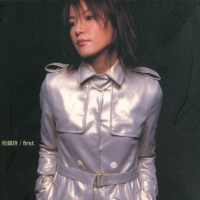
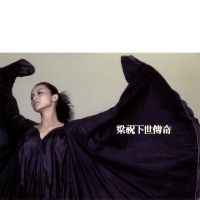
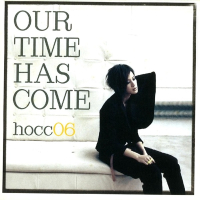
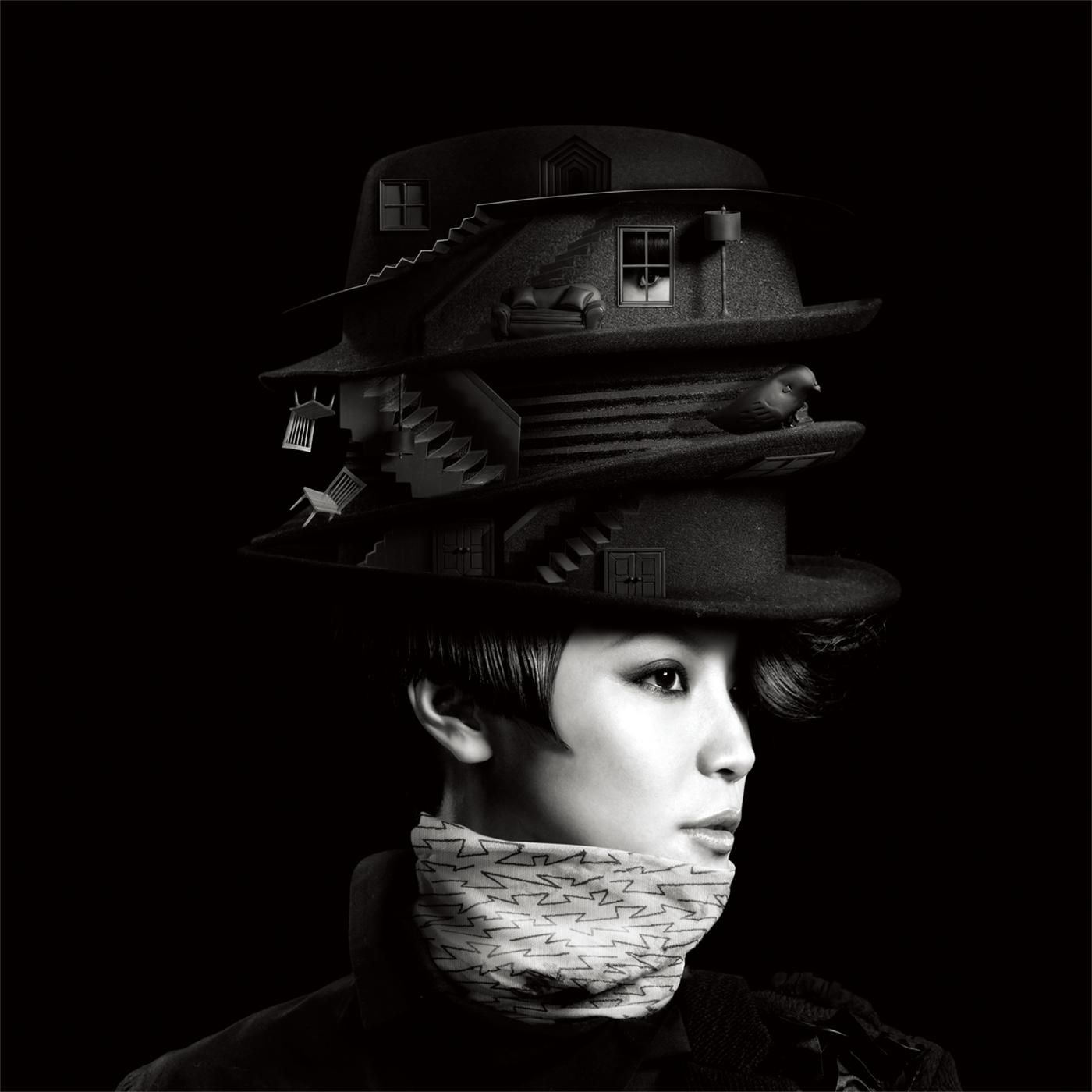
I love the album art cover ! Ten Days in the Madhouse is the seventh Cantonese studio album by Hong Kong singer Denise Ho 何韵诗 (HOCC), released on December 12, 2008.
It is widely regarded as one of the most ambitious and socially significant albums in her career.
1. Concept and Inspiration
The album’s title is inspired by the book Ten Days in a Mad-House by the 19th-century undercover journalist Nellie Bly. While the book exposed the brutal conditions of asylums, HOCC used the theme to explore the concept of “madness” in modern society. She dedicated the album to marginalized groups, mental health recovery, and the idea that those labeled “crazy” might simply be the most authentic individuals in a dysfunctional world.
2. The Documentary: The Ten Days
To complement the music, HOCC collaborated with director Yan Yan Mak to produce a documentary titled The Ten Days. It chronicles HOCC’s visits to mental health recovery centers and her interactions with people on the fringes of society, bridging the gap between music and social activism.
3. Key Tracks and Production
The album was produced by The Green Mountain Orchestra and Hanjin Tan. Each of the 10 songs is named after a specific person (fictional or real), serving as a character study:
- “Thelma of Green Mountain” (青山黛玛): The lead single. “Green Mountain” is a famous psychiatric hospital in Hong Kong; the song portrays a girl who lives in her own beautiful, pure world, regardless of being labeled “insane.”
- “Hibari Misora” (美空云雀): Named after the legendary Japanese singer, this track is an anthem of resilience and finding light in the darkness.
- “The Sorrows of Young Werther” (少年维特): A look at modern melancholy and emotional struggle.
4. Impact
This project marked HOCC’s transition from a pop-rock singer to a “socially conscious” artist. It received critical acclaim for its depth, storytelling, and its effort to break the stigma surrounding mental illness in Hong Kong.
[2008-12-12] 何韵诗 Ten Days in the Madhouse
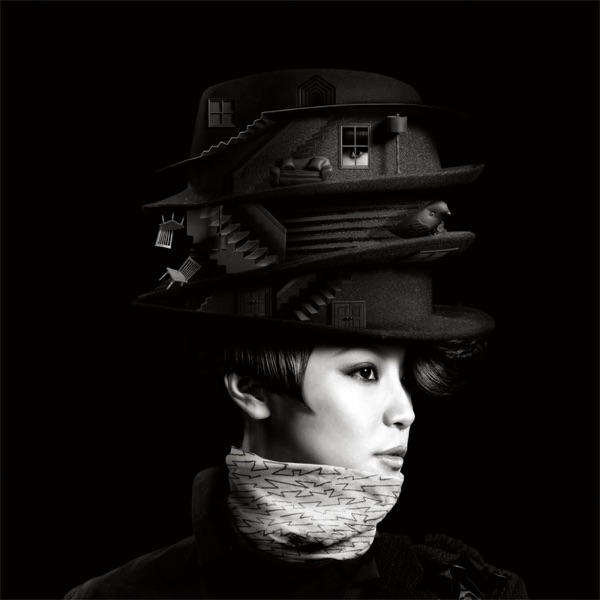
A larger album art cover
何韵诗 Ten Days in the Madhouse Tracks
| 曲序 | 曲目 | 作词 | 作曲 |
|---|---|---|---|
| 1. | 青山黛玛 | 黄伟文 | 陈奂仁、何秉舜 |
| 2. | 安妮宝贝 | 周耀辉 | 陈奂仁、林雅慧 |
| 3. | 杨子经书(编曲:陈奂仁) | 周耀辉 | 陈奂仁 |
| 4. | 丹赖斯队 | 陈浩锋 | 陈奂仁、何秉舜 |
| 5. | 查理淑仪(编曲:何秉舜) | 黄伟文 | 陈奂仁、林雅慧 |
| 6. | 堂吉诃德 | 周耀辉 | 陈奂仁 |
| 7. | 少年维特 | 黄伟文 | 陈奂仁、何秉舜 |
| 8. | 爱德蒙多 | 林若宁 | 陈奂仁、何秉舜 |
| 9. | 风见志郎 | 林若宁 | 陈奂仁、何秉舜 |
| 10. | 美空云雀 | 黄伟文 | 陈奂仁、何秉舜 |