没话说 is Anita Mui 梅艳芳 26th studio album and her 7th Mandarin album. Released on August 10, 1999, by BMG Taiwan / Capital Artists, this record served as her final studio album under her long-time home label, Capital Artists. It combines a heavy retro-nostalgia concept with modern production techniques.
💿 梅艳芳 没话说 Album Profile
- Release Date: August 10, 1999
- Record Label: BMG Taiwan / Capital Artists
- Concept: A hybrid project containing 7 stylized cover versions of classic Mandopop songs and 3 brand-new original tracks.
- Tech Innovation: The album utilized then-cutting-edge time-space audio processing to blend vintage vocal acoustics with modern synth production
🌟 梅艳芳 没话说 Key Album Highlights
- The Retro-Chic Covers: The first half of the album honors historical Mandopop giants. The lead track “长藤挂铜铃” was completely revitalized into a modern dance number using Cha-Cha rhythms and Hip-Hop rap elements. Mui also took on late-90s hits, delivering deeply soulful, melancholic covers of David Tao 陶喆“沙滩” and David Huang 黄大炜 “你把我灌醉”.
- “Don’t Be a Woman in the Next Life”: This standout original ballad was composed by veteran musician Chen Hsiao-hsia (陈小霞). The lyrics tackle the universal vulnerabilities, sacrifices, and emotional burdens faced by women. Mui’s performance is incredibly raw and widely considered one of her finest late-career Mandarin ballads.
- Collaboration with Andy Lau: Continuing their close creative partnership from the Moonlight on My Bed era, Andy Lau (刘德华) personally stepped in to write the lyrics for the original closing track, “昨天你去哪啊”, which serves as a playful psychological examination of romantic relationships
[1999-08-10] 梅艳芳 没话说 album art covers
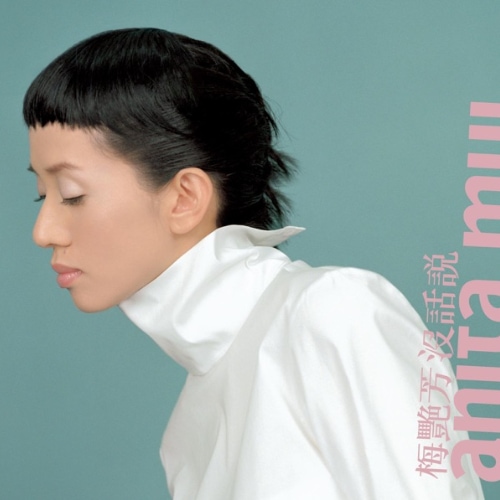
A larger album art cover

The Back of the album
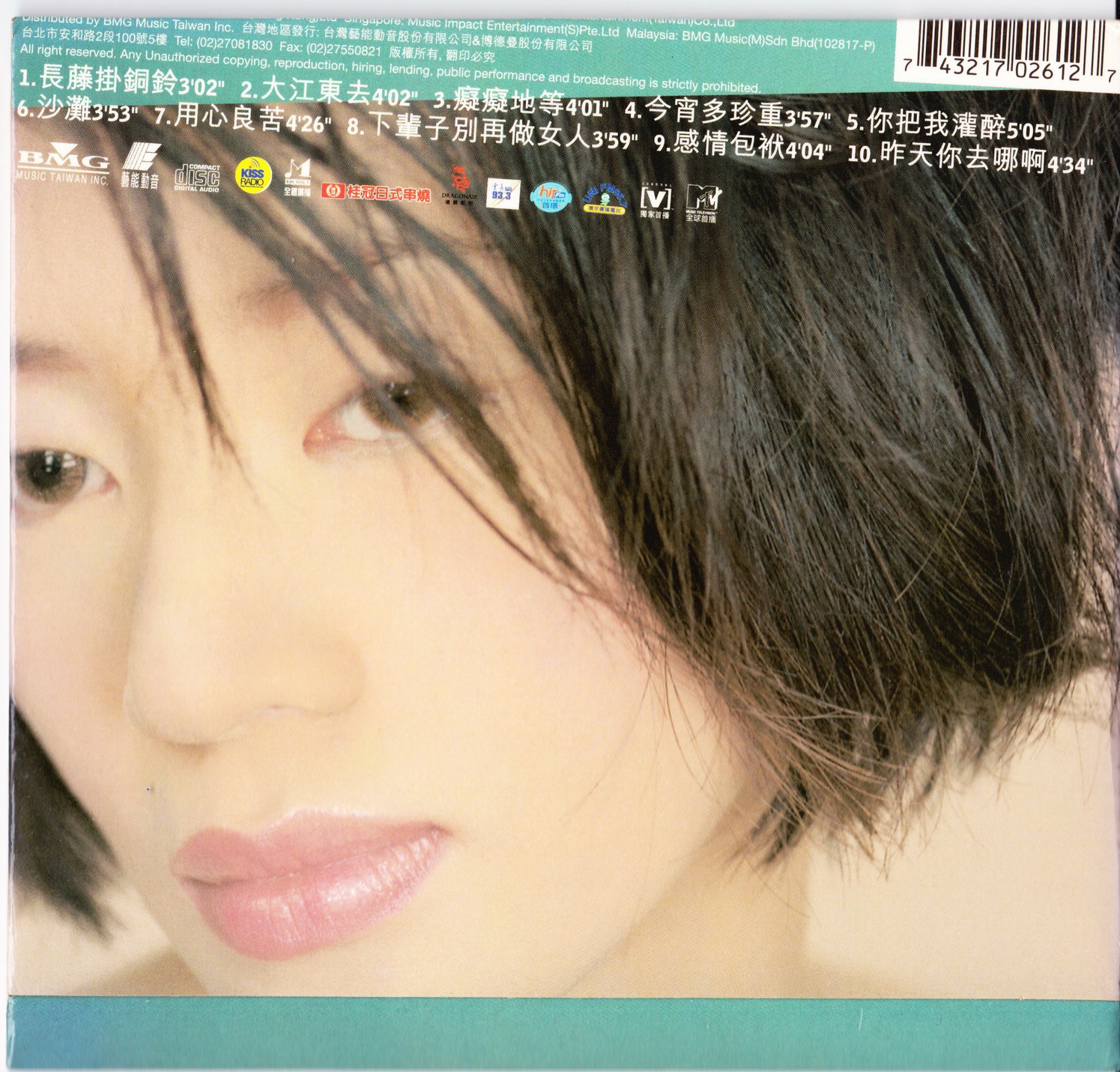
梅艳芳 没话说 TRACKS
| 曲序 | 曲目 | 作词 | 作曲 | 编曲 | 原唱者 |
|---|---|---|---|---|---|
| 1. | 长藤挂铜铃 | 姚敏 | 姚敏 | 锺兴民 | 逸敏 |
| 2. | 大江东去 | 司徒明 | Lionel Newman Ken Darby | 鲍比达 | 姚莉 |
| 3. | 痴痴地等 | 陶秦 | 王福龄 | 屠颖 | 静婷 |
| 4. | 今宵多珍重 | 林达 | 王福龄 | 鲍比达 | 崔萍 |
| 5. | 你把我灌醉 | 姚若龙 | 黄大炜 | 涂惠元 | 黄大炜 |
| 6. | 沙滩 | 娃娃 | 陶喆 | 屠颖 | 陶喆 |
| 7. | 用心良苦 | 十一郎 | 张宇 | 屠颖 | 张宇 |
| 8. | 下辈子别再做女人 | 易家扬 | 陈小霞 | 屠颖 | |
| 9. | 感情包袱 | 林夕 | 林子健 | 锺兴民 | |
| 10. | 昨天你去哪啊 | 刘德华 | 陈富荣 | 王豫民 |
![[1989-09-01] 梅艳芳 In Brasil Album Art Cover](https://chinesealbumart.com/wp-content/uploads/2026/06/600x600bb-200x200.jpg)